Game development has a funny way of pulling people in. One minute you are tweaking a character jump, the next you are staring at lighting settings at 2 a.m., wondering why the scene still feels flat. Honestly, that is part of the charm. Building games is equal parts logic, art, and a bit of stubborn patience to download assets for game development. And right in the middle of all that sits 3D graphics, doing the heavy lifting when it comes to immersion.
Why 3D graphics matter more than people admit
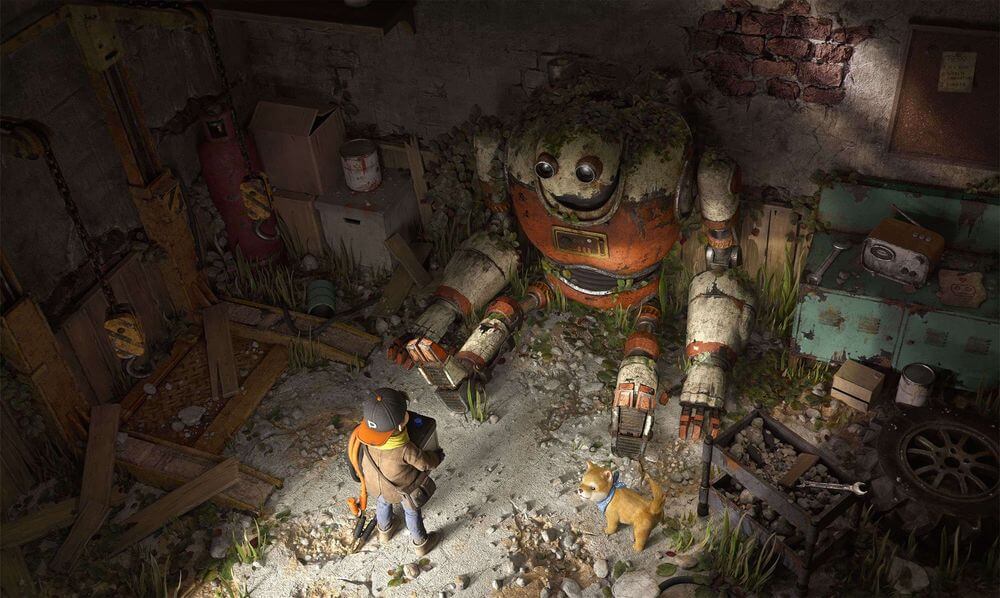
Here’s the thing. Players might not talk about polygon counts or normal maps, but they feel them. A well-modeled environment sets mood faster than any line of dialogue. Soft lighting can calm a scene. Sharp edges and harsh shadows can make players uneasy. It’s visual psychology at work, even if no one calls it that.
Developers know this, of course. Still, there’s always a tug of war between performance and beauty. You want that cinematic look, but you also want the game to run smoothly on a mid-range GPU. That’s where smart asset choices come in. Reusable props, clean topology, and textures that do more with less memory can save hours, sometimes days.
Assets are not shortcuts, they are leverage
Some folks think using pre-made assets is cutting corners. That idea pops up every few years and never really sticks. Using quality assets is more like using a good engine instead of writing one from scratch. You still need taste, judgment, and technical skill to make everything fit together.
When developers browse sites like unityunreal.com, they are not looking for magic fixes. They are looking for solid building blocks. A rock pack that tiles well. A character rig that behaves predictably. Animations that don’t break the moment you blend them. These things free up mental space, which is a precious resource on any project.
The quiet workflow wins
Let me explain something that doesn’t get said enough. Smooth workflows beat flashy tools every time. A consistent asset pipeline reduces bugs, reduces stress, and makes collaboration easier. Artists can focus on style. Programmers can focus on systems. Designers can, well, design.
Think of it like cooking. You can have the fanciest kitchen in town, but if your ingredients are messy and mislabeled, dinner will be late. Clean, well-prepared assets are those ingredients. They just work.
A small tip that pays off later
Here’s a quick aside that matters. Name your files clearly. Keep scales consistent. Document anything even slightly weird. It sounds boring, I know. But future-you will be grateful, especially when the project grows and deadlines start breathing down your neck.
Wrapping it up, casually
Game development is demanding, creative, and oddly personal. Every scene, every model, every texture says something about the people who made it. Using strong 3D assets does not replace creativity. It supports it. It gives your ideas room to breathe and, more importantly, room to ship.
And really, shipping is the goal. Everything else is just part of the ride.